Home is where the heart is, but some construction companies are willing to cut costs and avoid important checks when building extensions and repairs onto structures. This was found with 1 family in Bradford after their house construction job was botched. The full article is available at the BBC.
How to tell if your home is at risk
Structural risk is a serious issue, when the damage occurs, the cost of repairing it compounds with every further damage. Therefore, its always worth it to fix issues sooner rather than later. There are a few tell-tale signs when there is structural risk to your home that you can easily detect and act upon.
Damp and mould
Damp leads to rot in wooden structures, rust in metal structures and cracks in bricks and tiles. It is the most common type of damage and easiest to spot.
Rising Damp
Rising Damp occurs when water in the ground travels up through masonry[1][2].
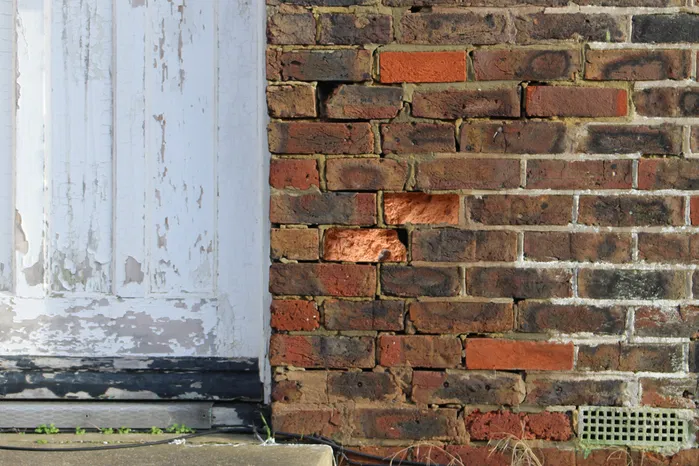
Rising Damp is major risk to both external and internal walls, it leads to corrosion in most structural substances. It occurs due to water in the ground travelling up through the materials and corroding them to the point of being unable to support the structure.
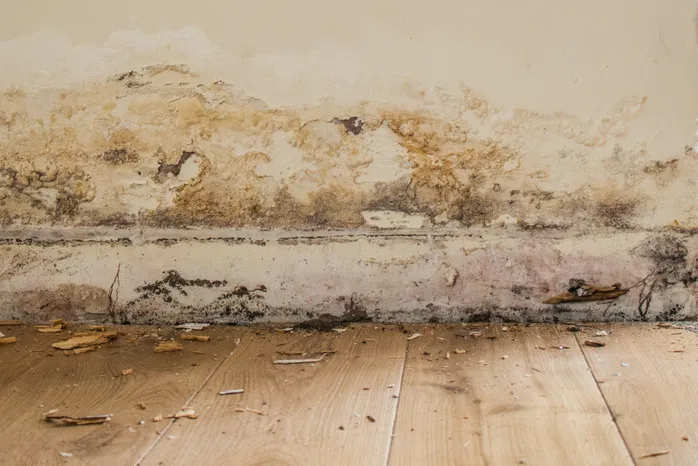
How to avoid rising damp before it happens
Rising damp requires planning in order to be avoided. The best way to avoid this is making sure your damp proof course is intact and functional. DPC is a treatment applied to the wall to make sure that it can properly stop moisture to avoid damp. The other important way you can avoid rising damp, is by making sure your drainage systems are working so that any extra water can be carried away before it causes rot and corrosion.
How to fix rising damp after it happens
To fix rising damp after it occurs is a large project. For most homeowners, this kind of project would require calling a maintenance professional. However, if you would prefer to do the work yourself (or at least know what the labourers would do), you can follow this step by step guide:[3]
- Using a marker pen, mark 30cm above the point where damp appears to stop
- Strip off the damaged skirting board
- Remove any paint or plaster beneath the height of the 30cm mark in step 1. Remove this back to the brickwork.
- Locate a continuous horizontal line on cement at least 15cm above the ground/floor.
- Mark points on this line at 10cm intervals. Keep going around the entire affected area.
- On each marked interval, drill into the wall using a masonry drill bit stop drilling just before you punch through to the other side of the wall.
- Get a caulking gun with damp proofing cream. Press the nozzle to the back the interval.
- Slowly pull the gun out while squeezing the trigger. The hole should be completely filled with cream.
- Repeat steps 7 and 8 for each interval.
- Inspect any wood that was in contact with the damp, if it shows signs of rot or weakness, replace it with per-treated timber.
- Re-plaster the walls with a salt-retardant sand and cement mix or apply a damp proof membrane to brickwork and cover this with plasterboard.
Penetrating Damp
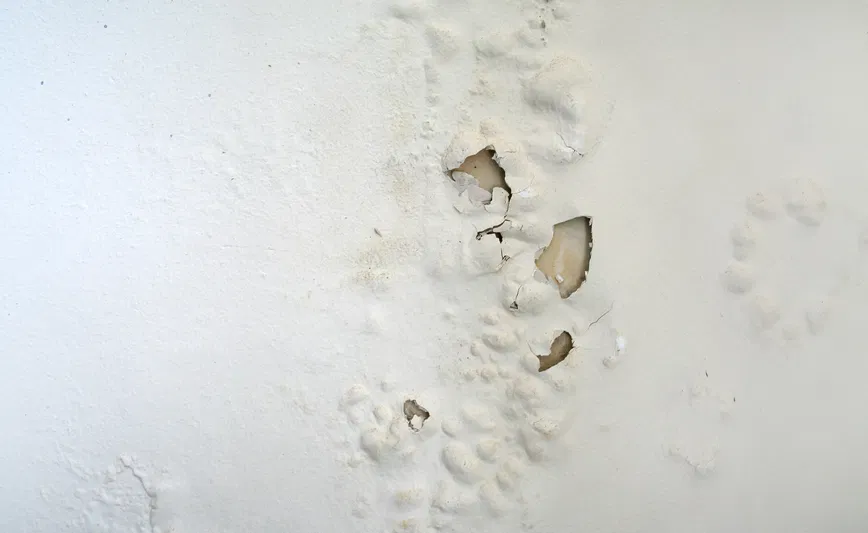
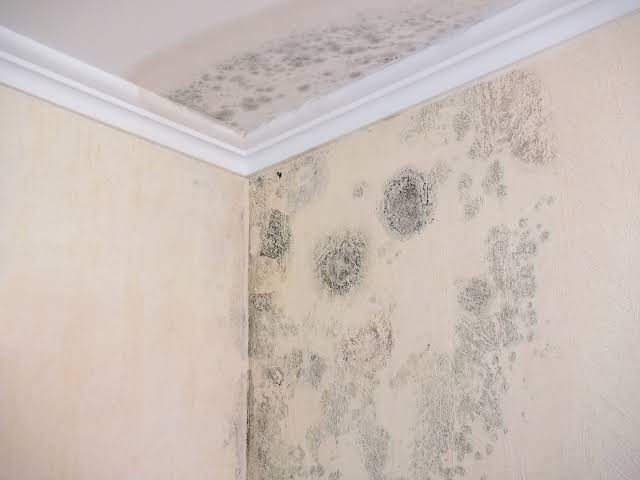
Penetrating damp occurs when rain from outside is able to penetrate (hence the name) the walls of your home and create damp patches in the walls and structure. This type of damage causes similar risk to the physical structure of the building, as well as risks regarding illness from fungal infections[4] and increased heating costs (as rotted walls transfer heat out of the home more easily)[5]
How to recognise penetrating damp
There are a few key markers that your home is suffering from penetrating damp:
- Wet patches in the walls
- Peeling paint (especially around windows and doors)
- Musty smell in the room
- Rotting skirting boards
How to fix penetrating damp
Penetrating damp is almost exclusively caused by damage in the external structure that allows moisture (such as rain) into the home. As such, fixing it requires locating the holes and patching them such that they don’t let water in.
It is worth noting that the holes could be in the roof, walls, door frames, window frames and can also be caused by blockages in drainage systems (such as gutters). All of these are worth checking if you notice penetrating damp.
Recent Articles
Packing your emergency kit
An emergency kit is absolutely essential, just as much as a first aid kit. If anything happens, from…
Protect your home from damp
Home is where the heart is, but some construction companies are willing to cut costs and avoid impor…

How to cope with dehydration
Water is considered one of the fundamental building blocks of life. For humans, this is no exception…
5 Works Cited
1. Hall, C. A. H. W. D. (2021). Water transport in brick, stone and concrete. CRC Press.
2. Trotman, P. (2007). RISING DAMP IN WALLS DIAGNOSIS AND TREATMENT. BUILDING RESEARCH ESTABLISHMENT DIGEST, 245.
3. British Standards Institution. (2012). BS 6576:2005+A1:2012: Code of practice for diagnosis of rising damp in walls of buildings and installation of chemical damp-proof courses. BSI.
4. (n.d.). Building mycology: management of decay and health in buildings.
5. Del Curto, D. A. C. V. (2020). Aerogel-based plasters and energy efficiency of historic buildings. literature review and guidelines for manufacturing specimens destined for thermal tests. Sustainability, 12(22), 9457.